


TL;DR:
- Modular golf gear enhances organization and adaptation based on individual playing habits.
- Key criteria include adaptability, weight, storage efficiency, travel readiness, and real-use performance.
- Small modular accessories like magnetic towels and utility pouches significantly improve in-round efficiency.
Every round has the same silent time-wasters: digging through your bag for a towel, realizing your divot tool is buried under three sleeves of balls, or arriving at a travel course without the right club for a tight fairway. Modular golf gear attacks these problems directly, giving you systems that adapt to how you actually play rather than forcing you to adapt to your equipment. This guide covers how to evaluate modular options intelligently, which products earn their spot in a 2026 kit, and how to match the right setup to your playing style.
Table of Contents
- How to evaluate modular golf gear: Key criteria
- Top must-have modular golf gear for 2026
- Side-by-side: Which modular gear suits your playing style?
- Expert picks and overlooked modular accessories
- Why the modular golf revolution isn’t about gadgets—it’s about mindset
- Level up your game with top modular golf gear from Aiming Fluid Golf
- Frequently asked questions
Key Takeaways
| Point | Details |
|---|---|
| Choose gear for your style | Modular gear works best when tailored to how you walk, ride, or travel for golf. |
| Balance storage and weight | High-storage modular carts add weight, while hybrid and magnetic options offer flexibility for lighter loads. |
| Small upgrades matter | Simple add-ons like magnetic towels or utility pouches can dramatically boost in-play efficiency. |
| Consider club performance tradeoffs | Travel-friendly modular clubs provide versatility but often play slightly shorter than traditional sets. |
How to evaluate modular golf gear: Key criteria
With the problem and goal set, let’s break down how to judge which modular golf solutions are genuinely worth the investment.
What modular gear actually means matters before spending a dollar. Modular gear refers to systems built with interchangeable, reconfigurable, or attachable components. A traditional bag is fixed; a modular bag has removable compartments, swap-ready attachments, or configurable pockets. The distinction is important because not everything labeled “modular” actually delivers flexibility in practice. Some products use the term loosely.
The five criteria that separate useful modular gear from marketing noise are:
- Adaptability: Can the product shift between walking and riding setups without major effort?
- Weight: Does the modular system add meaningful bulk compared to a traditional fixed alternative?
- Storage efficiency: Does modularity increase your accessible storage, or just redistribute it?
- Travel readiness: Can the system fit within airline carry-on specs or significantly reduce checked baggage fees?
- Real-use performance: Does the gear hold up under 18-hole conditions, including weather, terrain, and pace-of-play pressure?
These five factors expose tradeoffs that glossy product pages rarely address. A heavier modular trolley might outperform a lightweight carry bag for storage capacity, but if you walk hilly terrain three days a week, the weight penalty changes the math entirely. Effective gear management tips always start by mapping your typical course conditions before selecting gear architecture.
The tradeoff between club performance and travel convenience is a clear example of this tension. Travel-focused modularity like the Q Gen 2 and Enpi Caddy solves baggage issues but club performance can be slightly shorter than standard setups. That is a known, documented tradeoff, not a defect. Knowing it going in lets you make a clear-eyed decision.
Understanding gear ergonomics is equally important. How gear sits on your body or attaches to your cart affects fatigue, retrieval speed, and focus. A magnetic pouch that snaps onto your bag strap eliminates a reach-and-dig cycle every time you need a tee. Over 18 holes, that adds up.
Pro Tip: Before buying any modular system, map your last five rounds mentally. Did you walk or ride? How often did you search for a specific item mid-hole? Your actual behavior, not your ideal behavior, should drive the purchase.
Top must-have modular golf gear for 2026
Now let’s look at the best modular options making waves in 2026.
The market has expanded sharply over the past two seasons, and a few standout systems have earned serious attention from both recreational golfers and low-handicappers. Here are the key categories and specific products worth knowing.
-
Modular electric trolley systems: Vence Golf The Vence Golf trolley is the boldest modular cart concept currently available. It features five large storage containers, a club lock mechanism, a hand-crafted aluminum frame, and the ability to transform into a full cart bag setup. Total weight is 47.4 lbs. That is significantly heavier than most push carts but substantially more capable in terms of storage volume and compartment organization. For golfers who ride regularly and want a unified system that eliminates separate cart bags, Vence is a credible solution.
-
Adjustable modular club systems: Q Gen 2 The Q Gen 2 is an adjustable golf club designed for travel and multi-terrain versatility. It combines multiple club functions into a single shaft and head system with interchangeable components. The stinger club reportedly produces approximately 200 yards, and the hybrid plays around 150 to 160 yards. The documented tradeoff is that the system plays roughly one to one and a half clubs shorter than a traditional iron set. For frequent travelers who want to carry fewer clubs through airports, this is a direct efficiency win.
-
Magnetic accessory systems Magnetic towels and pouches represent the most accessible entry point into modular gear. A magnetic towel attaches to your bag or cart rail via a strong-pull magnet, removing the need to thread clips through loops or tuck fabric under straps. Fast access. Zero fumbling. The same magnetic attachment logic applies to pouches, divot tool holders, and landing pads. These are not novelty items. They are retrieval speed upgrades.
-
Utility pouches and multi-tools A quality utility pouch is the unsung component of a modular kit. When constructed with a 360-degree attachment clip and organized interior, it stores rangefinders, gloves, snacks, or valuables in a dedicated, accessible location. Unlike fixed bag pockets that mix items together, a utility pouch is a discrete module you can move between bags, carts, or carry setups.
“The Vence Golf trolley is a polarizing piece of gear. Its superior storage and engineering are genuinely impressive, but its weight and price point put it squarely in a premium niche. Most US golfers who walk multiple days per week will find hybrid or magnetic systems more practical.” — Based on PJ Koenig’s 2026 review
Pro Tip: Combine a magnetic towel with a clipped utility pouch for a two-module system that keeps your most-used items at fingertip distance on any bag type. Check the ultimate gear checklist to make sure you are not missing any critical items before building your modular system.
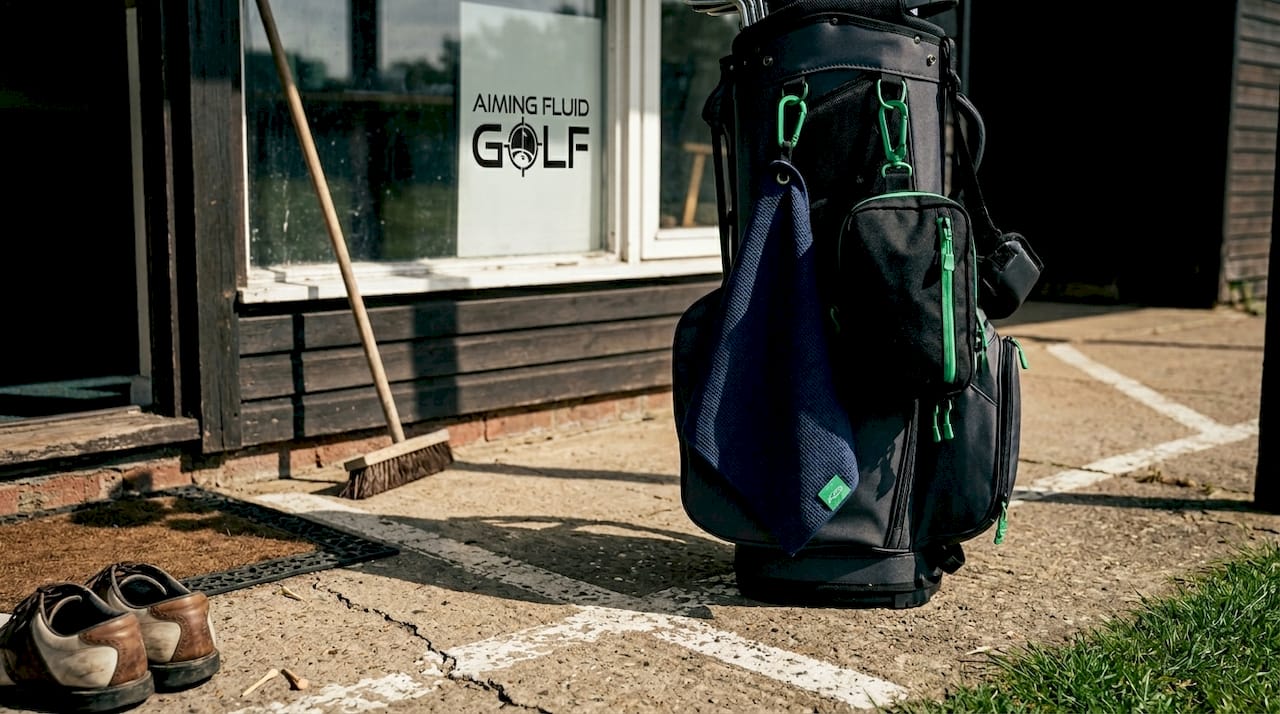
Good organization tips recommend pairing modular accessories by use-frequency: highest-use items (towel, tees, ball marker) should have fastest-access mounting points, while lower-use items (rain gear, spare gloves) go into the deeper modular storage containers.
Side-by-side: Which modular gear suits your playing style?
Understanding these products individually, it helps to see how they stack up head-to-head.
| Gear type | Adaptability | Storage capacity | Travel-ready | Weight | Best use case |
|---|---|---|---|---|---|
| Modular trolley (Vence) | High | Very high | Low | 47.4 lbs | Cart-only golfers, premium users |
| Adjustable clubs (Q Gen 2) | High | N/A | Very high | Low | Frequent travelers |
| Magnetic accessories | High | Low to medium | Very high | Very low | Walkers and riders |
| Utility pouches | Medium | Medium | High | Low | All golfer types |
| Hybrid accessory kits | High | Medium | High | Low to medium | Mixed play styles |
The table makes the tradeoffs visible at a glance. Polarizing designs like Vence attract attention with superior storage but heavy weight, while established sources favor magnetic and hybrid options for US golfers who balance walking and riding across different courses.
Who should choose which type:
- Walkers on hilly courses: Magnetic towels, lightweight utility pouches, and a well-organized carry bag. Avoid heavy modular cart systems. The adjustable push cart paired with magnetic accessories is a strong combination for this profile.
- Cart riders with heavy gear needs: Modular trolley systems or cart bags with modular compartment inserts. The Vence system fits this profile if budget is not a constraint.
- Frequent travelers: Adjustable club systems plus compact magnetic accessories. Travel-optimized kits should weigh under 25 lbs total where possible.
- Tournament players: Precision organization over gadget complexity. Magnetic tools, a quality utility pouch, and a well-fitted carry bag with clear compartment logic. The essential gear for every golfer resource outlines exactly what competitive players should carry.
- Casual golfers and beginners: Magnetic accessories first. Low cost, high impact, no learning curve. A magnetic towel and a divot tool attachment solve the two most common gear frustrations immediately.
The key insight from this comparison is that modular gear is not a single category. It spans a spectrum from a $40 magnetic towel to a $1,000-plus electric trolley system. Matching the investment to your actual play frequency and course conditions prevents buyer regret.
Expert picks and overlooked modular accessories
To round out your kit, don’t overlook these expert picks and clever upgrades.
Most golfers who invest in modular gear focus on the obvious big-ticket items: the trolley, the club system, or the premium bag. The highest-return upgrades are often smaller and cheaper.
Best-in-class modular accessories:
- Magnetic towels with dual-sided construction: The best magnetic towels use one side for club cleaning and the other for hand drying, with a high-pull magnet rated for consistent detach/reattach cycles without degrading.
- Quick-attach divot tools: A divot tool that clips magnetically to your bag eliminates the fumble that most golfers experience when they reach the green. Thirty seconds saved per hole is 540 seconds across 18 holes.
- Hybrid travel pouches: These are medium-sized pouches that work equally well clipped to a carry bag, hung from a cart, or packed inside a travel cover. Versatility is the design goal.
- Custom storage cubes: Rigid-insert organizers that fit inside standard bag compartments and separate club accessories, tech items, and personal items into distinct zones.
- Snap-on umbrella brackets and cooler attachments: Overlooked additions that attach directly to modular cart rails without tools. These are particularly useful for summer rounds where managing sun and hydration affects performance.
Insider picks by golfer type:
- For tournament players: A magnetic landing pad and divot tool combo that mounts to the same cart rail location every round. Routine placement reduces decision fatigue.
- For frequent travelers: Travel-friendly modular clubs like the Q Gen 2 and Enpi Caddy solve logistics for golfers moving between courses, but always carry two or three traditional irons for your most critical distance gaps.
- For club organizers and fitting events: Labeled modular pouches attached to a rolling cart allow rapid club swaps and tool access without disrupting session flow.
Pro Tip: Small modular add-ons can dramatically improve pace of play, especially for walkers. Review your spring golf essentials checklist and identify the two or three items you dig for most often. Build your modular system around solving those specific retrieval problems first. The right accessories will also cut retrieval time measurably, which directly affects your pace and focus between shots.
The overlooked reality is that most golfers already carry the right items. The problem is access, not inventory. Modular accessories do not add new gear; they reorganize what you already own into a retrieval system that works under pressure.
Why the modular golf revolution isn’t about gadgets—it’s about mindset
Looking across all these options, the real advantage of modular gear goes beyond features or even play style.
Here is the uncomfortable truth most gear coverage misses: modular equipment does not make you a better golfer by itself. What it does is remove friction from your preparation and in-round routine. That friction removal creates mental space. Mental space translates to better focus on the shot in front of you.
The golfers who benefit most from modular systems are not the ones who buy the most sophisticated products. They are the ones who identify their own course habits with honesty and build a system around those specific patterns. A golfer who always rides and never loses equipment probably gains nothing from a modular trolley. A golfer who walks different courses weekly, frequently changes bags, and loses tees constantly will see an immediate return from even a basic magnetic accessory setup.
The real power of modularity is that it forces intentional preparation. When you design a system, you think through what you actually need and where it should live. That process reveals bad habits and redundant gear. Most golfers who go through it end up carrying fewer items, not more.
There is also a confidence dimension that rarely gets discussed. Knowing exactly where your towel, tee, and divot tool are without looking builds a quiet, reliable rhythm during a round. It is a small thing. But golf is a game decided by small things. Check the gear preparedness perspective for a deeper breakdown of how preparation and performance connect at a practical level.
The most common mistake: golfers buy modular gear and then recreate the same disorganized system inside a more expensive framework. The gear is only as effective as the intentional system behind it.
Level up your game with top modular golf gear from Aiming Fluid Golf
Ready to upgrade your own setup? Aiming Fluid Golf builds accessories specifically designed for the kind of modular, efficient systems this article describes. Every product in the lineup solves a real retrieval or organization problem rather than adding bulk or novelty.
Start with the best modular golf accessories curated picks page, which organizes top options by playing style and use case. The magnetic towel system is the highest-impact entry point for most golfers: instant access, secure attachment, and dual-sided construction built for 18-hole conditions. For valuables, rangefinders, and in-round essentials, the premium utility pouch delivers organized storage with a 360-degree clip that works on any bag or cart rail. Build the system that matches how you actually play.
Frequently asked questions
What does modular golf gear mean?
Modular golf gear refers to carry systems, clubs, or accessories designed for easy personalization and interchangeable parts, so you can adapt your setup for different courses or needs. Modular accessories specifically offer flexible attachment and customizable organization that fixed gear cannot match.
Is a modular golf cart or trolley worth the extra weight?
If you need maximum storage and custom features, modular trolleys like Vence offer those benefits but can be heavy; walkers might prefer hybrid or magnetic solutions for lighter loads. Polarizing designs like Vence attract strong interest from cart riders but are generally too heavy for frequent walkers.
What’s the big advantage of magnetic modular accessories?
Magnetic modular accessories can be quickly attached, accessed, or moved on your bag or cart, making in-play gear adjustments faster and simpler. The primary benefit is eliminating search time for high-frequency items like towels, tees, and divot tools during a live round.
Do modular travel club sets perform as well as traditional irons?
Modular travel-ready clubs are close in performance, but test data shows they typically play about one club shorter than traditional sets, with the Q Gen 2 stinger reaching approximately 200 yards and the hybrid covering 150 to 160 yards. The tradeoff is documented and manageable for most travel rounds.


