


Hand washing is the safest way to wash a golf hat, full stop. Machine washing and even dishwasher cleaning are acceptable for many modern performance caps with plastic brims, but only if you follow strict precautions and confirm your hat can handle it first.
Before you touch water or detergent, run three quick checks:
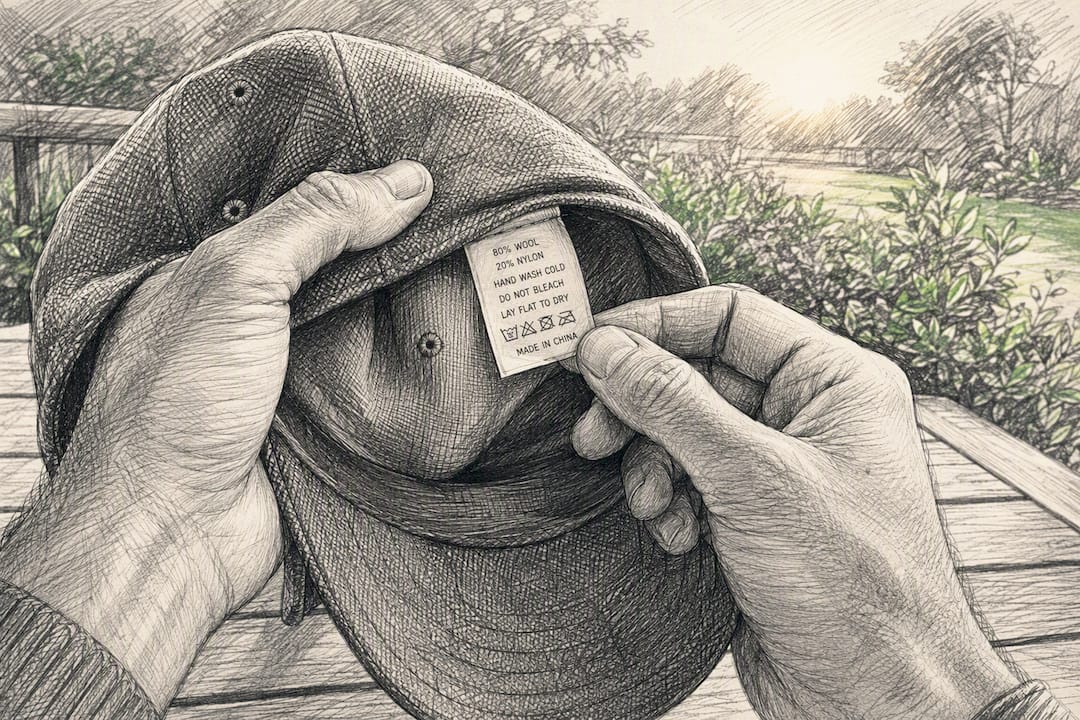
- Care label: Look for washing symbols on the inner sweatband. If it says hand wash only, don’t gamble with a machine.
- Brim test: Gently flex the brim. A cardboard brim creases and holds a crease; a plastic brim springs back to shape.
- Trim inspection: Leather patches, glued logos, or sewn-on decals mean you spot clean instead of submerging.
Never use bleach, dryer heat, or wringing to speed things up. Any one of those three can warp the brim or bleed the color permanently.
Key Takeaways
Hand washing with a mild detergent and cool water is the safest way to clean nearly any golf hat, while machine and dishwasher methods work only for modern plastic-brim caps with the right precautions.
| Point | Details |
|---|---|
| Check before you wash | Confirm the care label, flex-test the brim for cardboard versus plastic, and inspect for leather or glued trim. |
| Hand wash is the default | Soak 15 to 60 minutes in cool water with mild detergent, scrub gently, and never wring the fabric. |
| Machine and dishwasher need safeguards | Use a hat cage, cold water, and no heat, and pull the hat immediately when the cycle ends. |
| Reshape while damp | Dry crown down over a bowl or hat form for 12 to 24 hours away from direct heat. |
| Reduce sweat transfer between washes | Wiping hands with a towel like Aiming Fluid Golf’s magnetic system before touching your hat cuts down how often a full wash is needed. |
Table of Contents
- Tools and Pre-Wash Checks Before You Wash a Golf Hat
- How to Hand Wash a Golf Hat Step by Step
- Can You Machine Wash a Golf Hat Safely?
- Is It Safe to Wash a Golf Hat in the Dishwasher?
- How to Remove Sweat Stains From a Golf Hat
- Cleaning Wool, Straw, and Leather-Trimmed Hats
- Drying and Reshaping a Golf Hat the Right Way
- How Often Should You Wash a Golf Hat?
- Why Your Hat Gets Dirty Faster Than You Think
- What I’ve Learned Testing These Methods
- Keep Sweat Off Your Hat Before It Ever Needs Washing
- Sources
Tools and Pre-Wash Checks Before You Wash a Golf Hat
Reading the care label tells you more than most golfers realize. “Cold wash only” usually signals a wool or wool-blend crown that shrinks under heat. “Hand wash” often flags a cardboard brim insert, and “spot clean” is a direct warning against submersion.
The flick test settles the brim question in two seconds: bend the bill slightly. Plastic snaps back; cardboard stays bent or shows a crease line, according to The Golf Hub’s washing guide.
Stick to mild laundry detergent, baby shampoo, or a gentle dish soap. An oxygen-based stain remover works well for tougher sweat rings. Skip bleach, fabric softener, and hot water entirely. All three break down fibers or set stains rather than lift them.
- A soft-bristled brush or an old toothbrush
- A basin or clean sink
- A hat cage, hat form, or a mesh delicates bag
- Two or three clean towels
Pro Tip: Keep a dedicated hat brush in your golf bag. Attacking a fresh sweat stain the day it happens takes half the effort of treating one that’s set for a week.
How to Hand Wash a Golf Hat Step by Step
Hand washing gives you full control over pressure and temperature, which is exactly why Galvin Green’s cleaning guide ranks it as the most reliable method for nearly any hat you own.
- Fill a basin with cool or lukewarm water and mix in a small amount of mild detergent until it’s just sudsy, not foamy.
- Spot test any cleaner on an inside seam first, wait five minutes, and check for color transfer before treating the visible crown.
- Pre-treat the sweatband and any stained areas by dabbing detergent directly onto the fabric.
- Submerge the hat and let it soak for 15 to 60 minutes. Heavier staining or a dingy sweatband needs the longer end of that range.
- Scrub gently in small circles with your soft brush, focusing on the sweatband and brim edge. Avoid scrubbing embroidered logos directly.
- Rinse under cool running water until the water runs clear, pressing suds out with your palms rather than twisting the fabric.
- Press the hat between two towels to pull out excess water. Never wring or twist the crown.
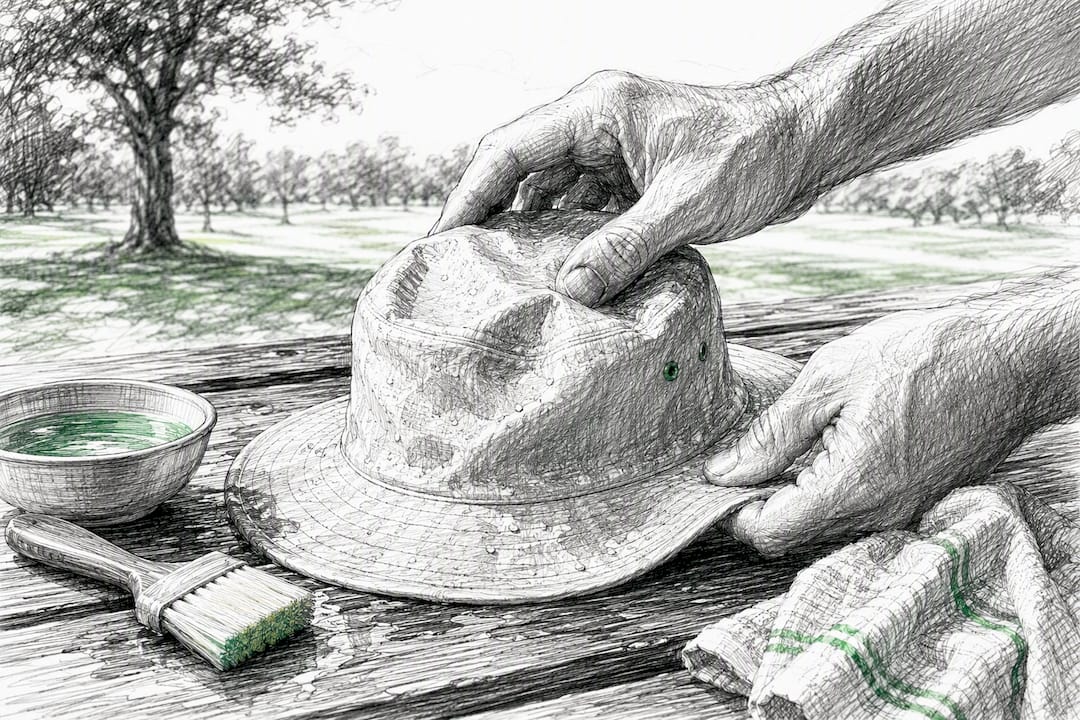
Once it’s damp rather than dripping, reshape it immediately. A hat form or an upside down bowl that matches the crown’s curve works well. Stuff the crown lightly with a rolled towel if you don’t have a form, and let it air dry for 12 to 24 hours away from direct sun or heat vents.
Pro Tip: Shape the hat while it’s still damp. Once it dries into a wrinkled or lopsided form, no amount of steaming will fully correct it.
Can You Machine Wash a Golf Hat Safely?
Machine washing isn’t off the table, but it comes with a real eligibility test. If your hat has a modern synthetic or performance-fabric crown, a plastic brim, and a care label that doesn’t explicitly forbid machine washing, you’re a reasonable candidate. If you’re unsure on any of those three points, hand wash instead.
- Place the hat inside a hat cage or a mesh delicates bag before it goes anywhere near the drum. A hat-washing frame preserves crown shape far better than tossing it in loose.
- Pad the load with a few soft items like towels so the hat isn’t banging against the drum on its own.
- Select cold water and the gentle or delicate cycle. Skip anything labeled “heavy duty” or “sanitize.”
- Use a small amount of mild detergent, never bleach or a bleach-alternative brightener, and avoid high-spin cycle settings that stress the brim.
- Pull the hat out the moment the cycle ends, reshape it right away, and set it to air dry. Tumble drying is off limits no matter how modern the fabric is.
Machine washing works well as a shortcut for busy weeks, but it’s a compromise, not the gold standard hand washing offers.
Is It Safe to Wash a Golf Hat in the Dishwasher?
The dishwasher method sounds unconventional, and plenty of golfers try it purely for convenience. It turns out to work reasonably well for many modern caps, according to Golf, which found dishwasher cycles effective on performance materials when the process is handled with care.
- Set the hat on the top rack only, never the bottom near the heating element.
- Use a mild, non-bleach detergent, the same kind you’d use for dishes without added bleach agents.
- Choose a cold or eco cycle if your machine offers one, and skip the heated dry setting entirely.
- Secure the hat in a hat cage so water pressure doesn’t fold or crush the crown.
- Pull it out as soon as the cycle finishes and air dry immediately.
Community feedback on forums like r/golf backs this up. Reports of dishwasher success are common for modern caps, but so are warnings: leather patches, cardboard brims, and glued-on logos are consistent red flags that rule this method out.
How to Remove Sweat Stains From a Golf Hat
Sweat stains respond to a handful of proven, low-risk treatments rather than harsh chemicals. Start with the mildest option and escalate only if needed.
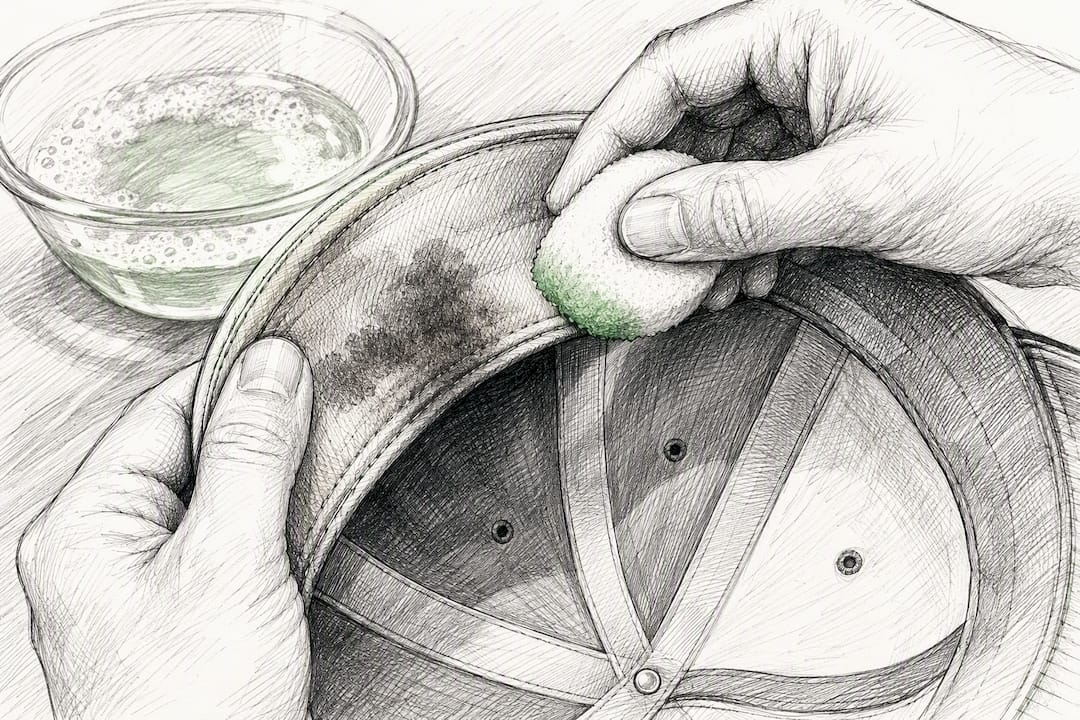
- Mix baking soda with a small amount of water into a thick paste and work it into the stained sweatband with your fingers or a soft brush. Let it sit for 15 to 20 minutes before rinsing.
- For yellowing that baking soda doesn’t fully lift, soak the hat in a solution of one part white vinegar to four parts water for 30 minutes.
- For set-in or older stains, an oxygen-based stain remover or an enzyme cleaner works better than either home remedy, since enzymes actively break down the proteins in sweat rather than just lifting surface residue.
Always spot test on an inside seam first to confirm the fabric holds its color. Treat the inner sweatband more aggressively than the outer crown. It’s built to handle contact and moisture, while the crown fabric and any embroidery deserve a lighter touch.
Pro Tip: If a stain doesn’t budge after two treatment rounds, stop. Repeated scrubbing at that point does more fiber damage than the stain itself.
Cleaning Wool, Straw, and Leather-Trimmed Hats
Not every hat wants the same treatment, and this is where most washing mistakes happen. Wool hats need a wool-safe detergent, cold water, and zero agitation. Wash gently, then lay the hat flat to dry rather than hanging it, since wet wool stretches under its own weight.
- Straw hats should never be submerged. Spot clean with a barely damp cloth and let them air dry completely before storing.
- Leather patches or trim need a dab with a slightly damp cloth, followed by a small amount of leather cleaner or conditioner if the patch looks dry or cracked.
- Cardboard brims are a hard stop for submersion of any kind. Spot clean the crown and consider professional cleaning if the brim itself needs attention.
Drying and Reshaping a Golf Hat the Right Way
Air drying is non-negotiable. Dryer heat and direct sun both shrink fabric and warp brims, sometimes permanently.
- Dry crown-side down over a bowl, a large canister, or a dedicated hat form that matches your hat’s curve.
- Stuff the inside loosely with a rolled towel if you’re using a bowl, just enough to hold shape without stretching the fabric.
- Expect 12 to 24 hours for a full dry. A fan pointed at the hat or a spot with good airflow speeds that up without adding heat.
- Store the hat crown up on a shelf or hat rack rather than crushed in a bag, which keeps you from needing to reshape it before every round.
Pro Tip: A cheap plastic hat form costs less than a sleeve of golf balls and saves you from stuffing towels every single wash.
How Often Should You Wash a Golf Hat?
Between full washes, a few small habits keep your hat cleaner far longer. Wipe the sweatband down with a damp cloth after every round, and rotate between two or three hats instead of wearing the same one every day.
- A light mist of diluted vinegar water knocks out odor between washes without soaking the fabric.
- A small baking soda sachet tucked inside the crown overnight absorbs lingering moisture and smell.
- Wash every 3 to 5 wears under normal conditions, more often in hot or humid weather, less often if you only play occasionally.
- Watch for a warped brim, odor that survives a full wash cycle, or fabric that’s visibly thinning. Those are signs it’s time to replace the hat rather than keep cleaning it.
Why Your Hat Gets Dirty Faster Than You Think
Most of the sweat that stains a golf hat doesn’t come from the crown. It comes from your hands and face transferring moisture and oil every time you adjust the brim or wipe your forehead mid round. That’s the same transfer problem Aiming Fluid Golf’s magnetic towel and wash pocket system was built to interrupt: keeping a clean towel within reach means you’re wiping hands and skin instead of your hat brim.
A simple mid-round habit, wiping down with a clean towel before you ever touch your hat, cuts down the sweat and sunscreen transfer that forces most golfers into a full wash every few rounds.
What I’ve Learned Testing These Methods
Hand washing wins for control, but I’ll admit the dishwasher surprised me. A modern performance cap came out looking nearly new, while a hat with a leather strap adjuster in the same load stiffened and cracked slightly at the seam. That’s the tradeoff in one test. If a hat carries real sentimental or monetary value, especially anything with leather or a vintage cardboard brim, skip the experiments and take it to a professional cleaner instead.
— Gary
Keep Sweat Off Your Hat Before It Ever Needs Washing
The fastest way to wash a golf hat less often is to stop the sweat transfer before it happens. Aiming Fluid Golf’s magnetic golf towels snap instantly to your bag or cart, so a clean towel is always one grab away instead of buried at the bottom of a pocket.

That kind of easy access matters more than it sounds. Golfers who have to dig for a towel tend to skip it and wipe their hands on whatever’s closest, which is usually the hat brim or sweatband. The wash pocket system keeps the towel itself cleaner between washes too, using the same scrub-wash-dry approach detailed in Aiming Fluid Golf’s towel care guide. Pair that with one of the performance hats built for easier cleaning, and you’ve cut your wash frequency without changing anything about how you play. Browse the magnetic towel collection and add one to your bag before your next round.
Sources
- How to Wash Golf Hats: The Ultimate Guide – Galvin Green
- Golf
- Can You Wash Golf Hats in the Washer? – CaddieHQ
- How to Properly Wash Golf Hats - The Golf Hub


