


Choosing the right golf tee might seem like a minor detail, but it directly impacts your shot consistency, launch angle, and overall performance on the course. Many golfers overlook tee selection, defaulting to whatever is available in their bag or at the first tee. This article delivers expert tips to help you evaluate tee options based on height, material, swing speed, and course conditions so you can maximize distance, accuracy, and organization during every round.
Table of Contents
- Key takeaways
- How to evaluate golf tees: key selection criteria
- Popular golf tee options and their benefits
- Comparing golf tees: a side-by-side overview
- Tips for organizing and maintaining your golf tees on the course
- Enhance your golf game with premium accessories from Aiming Fluid Golf
- Frequently asked questions
Key Takeaways
| Point | Details |
|---|---|
| Tee height and material | Tee height influences launch angle and distance, while tee material affects durability and friction with the clubface. |
| Match height to clubs | Align tee heights with your driver, fairway woods, and irons to optimize launch and accuracy. |
| Swing speed and conditions | Faster swings require durable tees to maintain height, and soft turf or hard ground conditions determine the ideal length and material. |
| Carry and test tees | Carry multiple tee heights in your bag and test them during practice rounds to discover which combinations deliver the most consistent ball flight. |
How to evaluate golf tees: key selection criteria
Selecting the optimal golf tee requires understanding several critical factors that directly affect your shot quality. Height stands as the most visible variable. Taller tees promote higher launch angles, which can increase distance with drivers but may sacrifice control. Shorter tees provide more stability and precision, making them ideal for irons and fairway woods. Golf tee height and material affect consistency, launch, and dispersion, so matching tee height to your club and swing creates immediate performance gains.
Material choice impacts both durability and how the tee interacts with your clubface at impact. Wooden tees offer a traditional feel and break cleanly on contact, while plastic options withstand multiple shots. The material also influences friction during impact, which can subtly alter spin rates and ball flight patterns. Consider your swing speed when evaluating materials because faster swings generate more force, potentially breaking weaker tees or causing inconsistent contact.
Course conditions play a surprisingly important role in tee selection. Softer turf allows longer tees to penetrate easily, while harder ground requires shorter, sturdier options that won’t bend or break when inserted. Wet conditions may favor plastic tees that resist moisture damage, whereas dry courses work well with any material. Pay attention to the first tee box firmness during your pre-round warm up to adjust your tee selection accordingly.
- Match tee height to club type: drivers need 2.75 to 4 inches, fairway woods 1.5 to 2.5 inches, irons 1 to 1.5 inches
- Consider swing speed: faster swings benefit from durable materials that maintain consistent height
- Evaluate course conditions: soft turf accommodates longer tees, hard ground requires shorter, reinforced options
- Test different materials: wooden, plastic, brush, and rubber each offer distinct performance characteristics
Pro Tip: Carry multiple tee heights in your bag and experiment during practice rounds to discover which combinations produce your most consistent ball flight patterns.
Understanding these criteria sets the stage for reviewing popular tee options next.
Popular golf tee options and their benefits
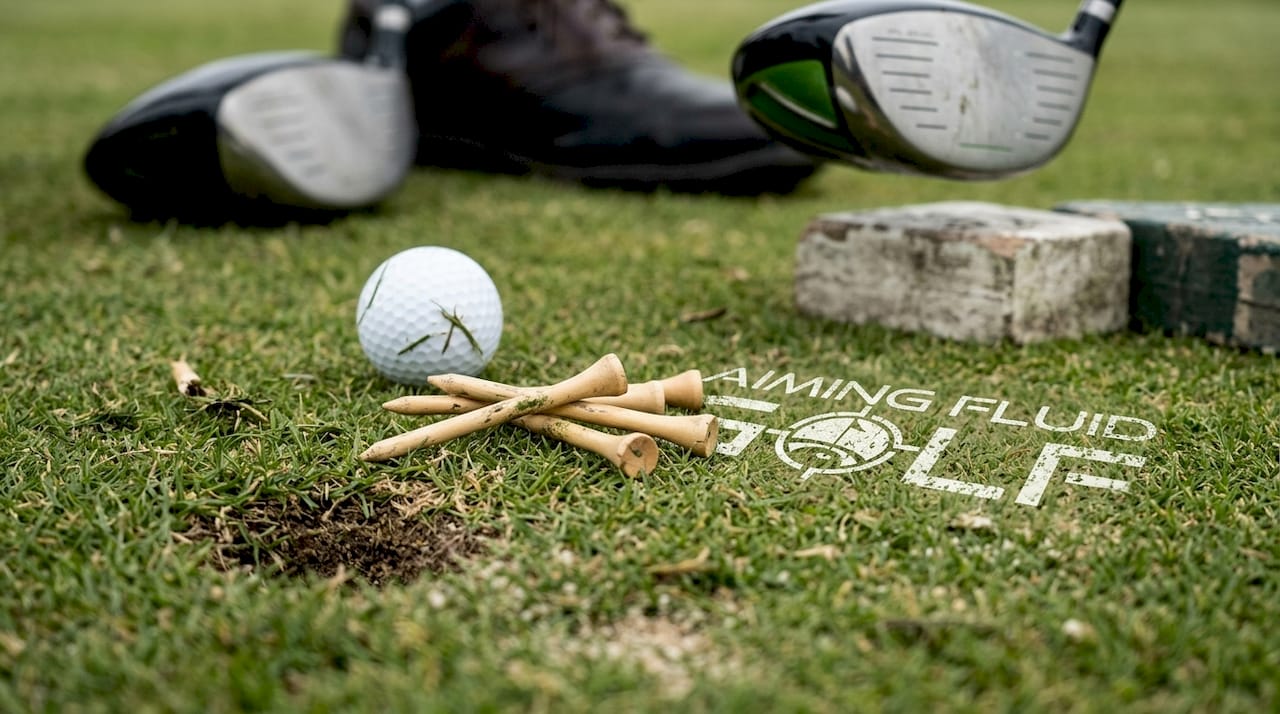
Wooden tees remain the most traditional choice among golfers worldwide. They provide a natural feel at impact and biodegrade quickly, making them environmentally friendly. Professional wooden tees maximize distance and consistency when manufactured to precise specifications. The main drawback is durability since wooden tees typically break after one or two driver swings, requiring frequent replacement. However, their low cost and widespread availability make them a practical option for most golfers.
Plastic tees offer superior durability, often lasting dozens of shots before showing wear. They maintain consistent height markers, allowing you to replicate successful tee heights round after round. The rigid construction provides stable ball positioning, which can improve contact quality for golfers who struggle with inconsistent tee placement. Environmental concerns represent the primary downside since plastic tees contribute to course litter and take centuries to decompose. Many courses now discourage or ban plastic tees to protect ecosystems and wildlife.
Brush tees feature flexible bristles instead of a solid cup, reducing friction between the tee and ball during impact. This design minimizes spin interference and can add several yards to your drives by allowing cleaner ball release. The bristles also make brush tees extremely durable, withstanding hundreds of swings without breaking. Premium pricing positions them as an investment piece, but serious golfers appreciate the performance benefits and long-term cost savings. Check out the golf tees collection to explore various brush tee options.
Rubber tees combine flexibility with durability, bending on impact rather than breaking. Their elastic properties return them to original shape after each shot, making them reusable across multiple rounds. Less common than wooden or plastic alternatives, rubber tees work particularly well in hard ground conditions where other materials struggle to penetrate. Some golfers find the soft material creates unpredictable ball contact compared to rigid options.
Specialty tees like performance-engineered designs incorporate advanced features such as low-friction coatings, aerodynamic shapes, or precisely calibrated heights. These premium options target golfers seeking every possible advantage through equipment optimization. While more expensive than standard tees, specialty designs can deliver measurable improvements in launch conditions and shot dispersion for players who prioritize performance over cost.
- Wooden tees: affordable, biodegradable, traditional feel; limited durability
- Plastic tees: durable, consistent height markers; environmental concerns
- Brush tees: minimal friction, extreme durability; premium price point
- Rubber tees: flexible, reusable, works in hard ground; less common
- Specialty tees: engineered performance features; higher investment
Pro Tip: Start with wooden tees for practice and casual rounds, then invest in premium brush or specialty tees for competitive play where consistency matters most.
Having reviewed the options, let’s compare these tees side by side to clarify their differences.
Comparing golf tees: a side-by-side overview
A structured comparison helps you quickly assess which tee type aligns with your priorities and playing style. Golf tees significantly affect shot consistency and launch characteristics, making informed selection crucial for optimizing performance.
| Tee Type | Durability | Distance Impact | Environmental Impact | Cost Per Dozen | Best Use Scenario |
|---|---|---|---|---|---|
| Wooden | Low (1-2 swings) | Excellent for traditional launch | Biodegradable, eco-friendly | $3-$8 | Practice rounds, casual play, environmentally conscious golfers |
| Plastic | High (20+ swings) | Good, consistent height | Poor, non-biodegradable | $5-$12 | Golfers prioritizing durability and cost efficiency |
| Brush | Very High (100+ swings) | Excellent, reduced friction | Moderate, long lifespan reduces waste | $15-$25 | Competitive play, serious golfers seeking performance edge |
| Rubber | High (50+ swings) | Good, flexible contact | Moderate, reusable | $10-$18 | Hard ground conditions, budget-conscious players wanting durability |
| Specialty | Varies | Excellent, engineered performance | Varies by design | $20-$35 | Tournament play, golfers maximizing equipment advantages |
This comparison reveals clear tradeoffs between cost, performance, and environmental responsibility. Wooden tees excel in eco-friendliness and traditional feel but require frequent replacement. Plastic options deliver durability at the expense of environmental impact. Brush and specialty tees command premium prices but justify the investment through enhanced performance and longevity. Rubber tees occupy a middle ground, offering decent durability without the environmental concerns of plastic.
Your ideal tee choice depends on your priorities. Budget-conscious golfers who play occasionally may prefer wooden tees for their low cost and adequate performance. Frequent players seeking consistency might invest in brush tees despite higher upfront costs. Environmentally aware golfers can choose wooden options or premium tees with extended lifespans that reduce overall waste. Competitive players should prioritize tee performance effects over cost considerations.
With this comparison in mind, you can now select the tee type best suited for your style and goals.
Tips for organizing and maintaining your golf tees on the course
Effective tee organization directly impacts your pace of play and mental focus during rounds. Fumbling through your bag searching for a tee disrupts your pre-shot routine and creates unnecessary stress. Designate a specific pocket or compartment in your golf bag exclusively for tees, separating them by height and material. This system allows you to grab the correct tee instantly without breaking concentration.
Magnetic landing pads and specialized tee holders keep your equipment accessible throughout the round. These accessories attach to your bag or cart, providing a dedicated spot where tees remain visible and within easy reach. You can quickly return used tees to the holder rather than losing them in pockets or dropping them on the ground. This organizational approach saves time between shots and helps maintain consistent pace with your playing partners.
Carry a variety of tee types to adapt to changing course conditions and shot requirements. Pack wooden tees for general use, a few brush or specialty tees for critical driver holes, and shorter tees for iron shots off the tee box. This versatility ensures you always have the optimal tee available regardless of club selection or ground firmness. Store different tee types in separate compartments to avoid mixing them during hurried moments.
Inspect your tees regularly for wear, cracks, or damage that could affect performance. Damaged tees create inconsistent ball positioning and may break unexpectedly during your swing, disrupting timing and contact quality. Replace worn tees immediately rather than risking poor shots with compromised equipment. Develop a habit of checking your tee supply before each round to ensure adequate inventory.
Practice consistent tee placement to build muscle memory for optimal ball positioning. Use the height markers on plastic or specialty tees as reference points, or measure wooden tees against your club to achieve repeatable heights. Consistent tee placement eliminates one variable from your swing equation, allowing you to focus on mechanics rather than setup adjustments.
- Use magnetic landing pads or designated holders to keep tees secure and accessible
- Separate tees by height and material in different bag compartments
- Carry multiple tee types to adapt to various course conditions and clubs
- Inspect tees before each round and replace damaged ones immediately
- Practice consistent tee placement during range sessions to build muscle memory
Pro Tip: Keep a small brush or towel in your tee compartment to clean dirt off reusable tees between shots, maintaining consistent contact and extending their lifespan.
Explore top golf accessories for organization to discover tools that streamline your on-course equipment management.
When you combine the right tee with smart organization, your game and course experience elevate together.
Enhance your golf game with premium accessories from Aiming Fluid Golf
Now that you understand how to select and organize golf tees for optimal performance, consider how premium accessories can further elevate your game. Aiming Fluid Golf offers expertly curated products designed to solve real on-course challenges and improve your overall experience.

Our precision-engineered golf tees deliver consistent height, durability, and performance characteristics that serious golfers demand. Beyond tees, we’ve developed organizational solutions like magnetic landing pads that keep your essential equipment instantly accessible, eliminating wasted time searching through your bag. Every product reflects our commitment to smart design, premium materials, and practical functionality.
Discover best golf accessories expert picks tailored to enhance your performance and convenience on the course. Explore our premium golf tees collection to find options that match your swing style and playing preferences. Learn more about maximizing distance and consistency with our wooden golf tees guide. Aiming Fluid Golf helps you stay focused, prepared, and confident during every round.
Frequently asked questions
What is the best golf tee height for beginners?
Beginners typically benefit from medium-height tees around 2.75 to 3.25 inches for drivers, which balance launch angle with control. This height range promotes solid contact without requiring perfect swing mechanics. As your skills develop, experiment with taller tees for more distance or shorter options for increased accuracy. Adjusting tee height based on club type also improves shot consistency, with fairway woods requiring 1.5 to 2.5 inches and irons needing 1 to 1.5 inches. Check out beginner golf essentials for comprehensive guidance on starting your golf journey with the right equipment.
How do golf tee materials affect my shot?
Wooden tees offer a natural feel and clean break on impact, creating minimal interference with ball flight but requiring frequent replacement. Plastic tees provide consistent height and durability but may create slightly different friction characteristics at impact compared to wood. Tees affect shot consistency and launch due to material and design, with brush tees reducing friction for potentially longer drives. The material choice influences spin rates, launch angle, and overall shot dispersion, making it worth testing different options during practice rounds to identify which produces your most consistent results.
Can organizing my tees improve my pace of play?
Organized tee management directly improves pace of play by eliminating time spent searching for equipment between shots. When you know exactly where each tee type is located in your bag, you can maintain smooth pre-shot routines without disrupting playing partners. Accessories like magnetic landing pads keep tees visible and accessible, allowing you to grab and replace them in seconds rather than fumbling through pockets. This efficiency adds up over 18 holes, potentially saving several minutes per round while reducing mental distractions. Discover golf accessories for pace that streamline your on-course equipment management and keep you focused on your game.
Should I use different tees for drivers versus irons?
Yes, using different tee heights for various clubs optimizes launch conditions and contact quality for each shot type. Drivers benefit from taller tees that position the ball higher in your stance, promoting upward strike angle and maximum distance. Fairway woods require medium-height tees that allow sweeping contact without excessive height. Irons need minimal tee height or can be hit directly off the turf, with short tees providing just enough elevation for clean contact. Carrying multiple tee sizes ensures you can adapt to each club’s optimal setup requirements throughout your round.
How often should I replace my golf tees?
Replacement frequency depends on tee material and usage patterns. Wooden tees typically break after one or two driver swings and should be replaced immediately when damaged. Plastic tees can last 20 or more shots but should be replaced when you notice cracks, height marker wear, or deformation. Brush and specialty tees may last hundreds of swings but require inspection for bristle damage or structural issues. Develop a habit of checking your tee inventory before each round and replacing any tees showing visible wear to maintain consistent performance and avoid mid-swing breakage that disrupts your timing.
Recommended
- What is a golf tee system? Boost your game with smart tee solutions – Aiming Fluid Golf
- Why Golf Tees Affect Consistency, Launch & Dispersion | Aiming Fluid G – Aiming Fluid Golf
- Professional Wooden Golf Tees Guide: Maximize Distance & Consistency – Aiming Fluid Golf
- Tips for Choosing the Right Golfing Equipment to Improve Your Game – Aiming Fluid Golf


